Vehicle or cargo — which stream is yours?
The split is simpler than it looks. If the thing is registered, sits on wheels, and
moves as a single unit that can be driven or lifted aboard, it belongs to the
Vehicle Shipping stream. If it is boxed, crated or
palletised and priced by the space it occupies on the ship, it moves as freight under
Cargo Shipping. Vehicles are quoted per unit; cargo is
quoted by volume — CBM, meaning length × width × height of each item as packed.
One borderline case comes up constantly: heavy machinery. Excavators, forklifts and
cranes do sit on wheels or tracks, but they never move as general cargo — they carry
their own permit, handling and lifting requirements. So they stay in the vehicle stream,
under heavy machinery shipping.
Five vehicle classes, five different protocols
The vehicle stream is not one service repeated five times. Cars —
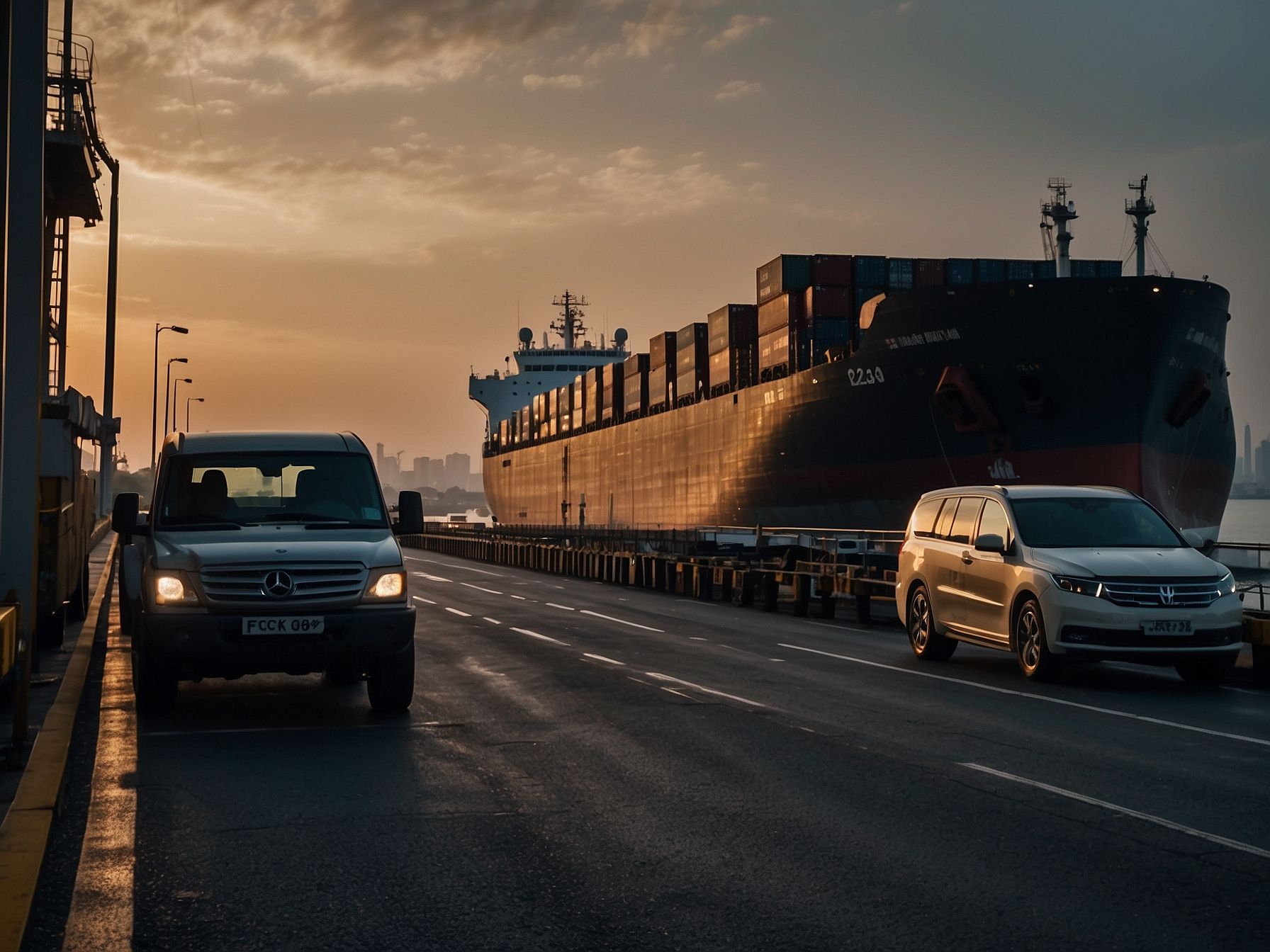
sedans, SUVs, MPVs, hatchbacks — move RoRo drive-on from Port Klang.
Motorcycles are never ridden aboard at all: every unit is crated,
strapped and photographed at each handover point. Vans such as the
Alphard, Vellfire, Hiace and Urvan use the same drive-on method as cars.
Lorries from 1-Ton up to prime movers are RoRo too, except a
GDL-licensed jockey (Goods Driving Licence, issued by the
Road Transport Department, JPJ)
does the driving on board. Heavy machinery gets no
RoRo at all — it loads by flatbed or heavy-lift with IMO-spec rigging, and the JKR
permit is handled alongside it.
That is why the quote form asks for a model and dimensions rather than just “one
vehicle”. A different class means a different loading method, different equipment and
different paperwork.
On the cargo side: LCL or a full container
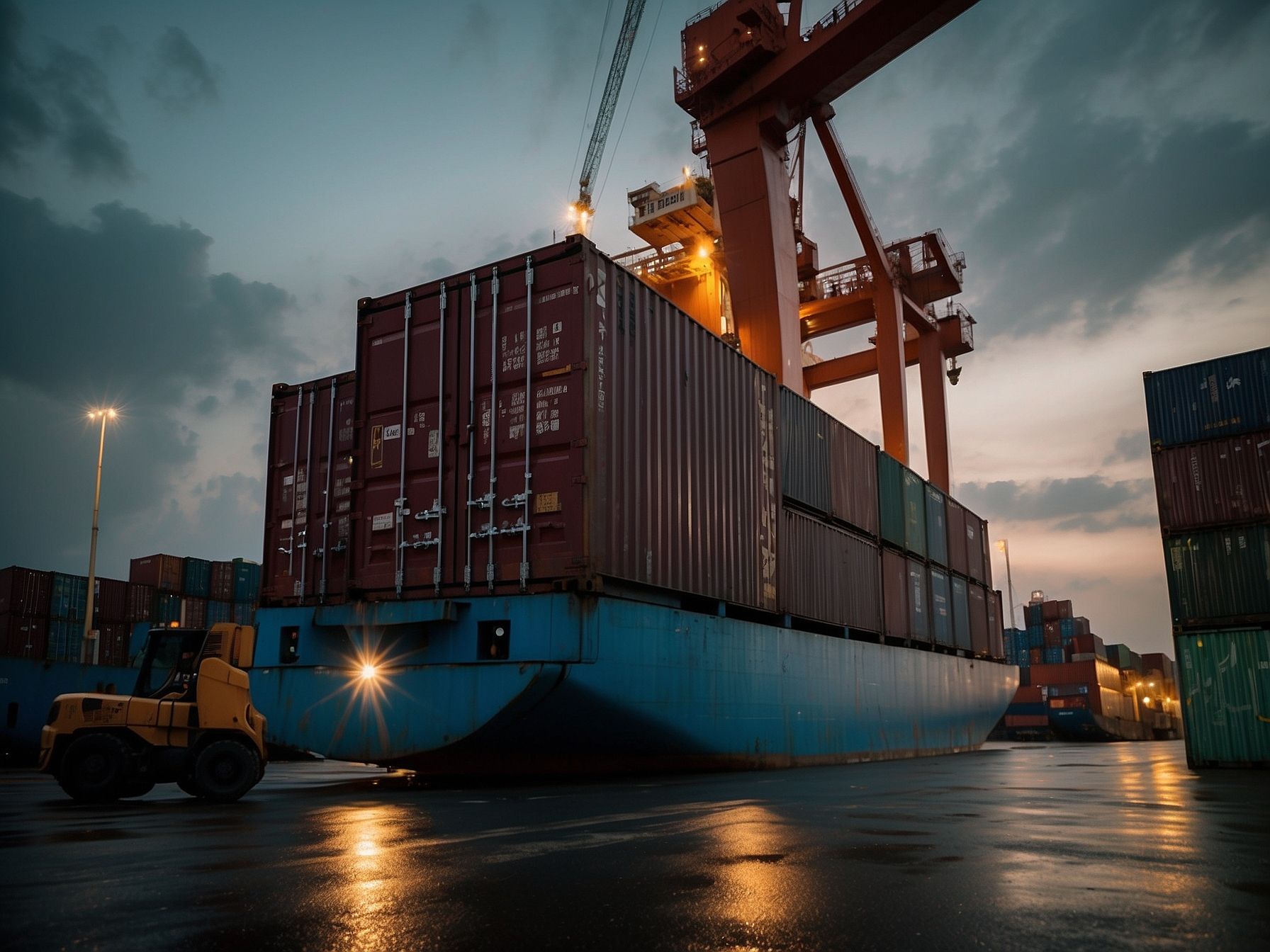
LCL means your goods share a container with other consignments and you
pay only for the volume you actually use — the sensible option for a house move, a shop
restock, or one bulky item. The trade-off is that your sailing date follows the
consolidation schedule at Port Klang. A full container is yours alone:
sealed from loading to delivery, handled fewer times, and scheduled around your booking
instead of a consolidation queue.
If you are unsure which side you fall on, send an item list with measurements. The CBM
calculator on each destination page works out the estimate, with a one-CBM minimum
charge — and measure the carton as packed, at its widest point, because
packaging takes up the space the ship is selling.
Who drives your vehicle onto the ship
Both door-to-door packages rest on jockey drive: a
professional driver covers the two short land legs — from your location to the loading
port, and from the destination port to the receiving address. The sea crossing is still
the ship's job, so the distance added to your odometer stays small, and the reading is
recorded before and after.
If you are willing to hand the vehicle over and collect it yourself at the port, the
port-to-port option works out cheaper, since door-to-door pickup and delivery are
charged separately. The maths is straightforward: price the leave you would have to
take and the fares you would pay to do it yourself first. The full comparison lives in
our door-to-door vs port-to-port
guide.
What both streams have in common
The regions are the same — Sabah, Sarawak and Peninsular Malaysia, return legs included.
Quotes are free and carry no commitment until you confirm a slot with a deposit; once
you lock the manifest, the sailing slot is held for 24 hours while the deposit clears.
Throughout the journey, short updates with photos go out over WhatsApp at each phase.
One thing worth stating plainly: Marine Insurance is not included in the
shipping rate. It is arranged and quoted separately for each consignment,
against the vehicle's Insured Value or the declared value of the goods — marine cover is
underwritten by general insurers under the
General Insurance Association of Malaysia (PIAM). Your formal
quote shows it as its own line so you can see exactly what you are paying for.